


We all know the feeling. We get a sudden jolt of motivation and decide to start a new, life-changing habit. "From now on," we declare, "I'm going to meditate for 10 minutes every day!"
For two days, we are heroes of mindfulness. By day five, we've forgotten we ever made the resolution.
The problem wasn't our intention. The problem was our implementation. We tried to create a new habit out of thin air, forcing it to carve its own, brand-new neural pathway through sheer force of will. This is the hard way.
There is a much smarter, lazier, and more biochemically sound method: The Habit Stack.
The Foundational Principle: Your Brain is a Creature of Association
As we discussed in our Pillar post, "Your Brain Has No Morals. It Just Has Cow Paths," habits are automated behaviors triggered by a cue. The habit loop is Cue -> Routine -> Reward. The most difficult part of forming a new habit is establishing a reliable cue. We forget to do it because nothing in our environment is reminding us.
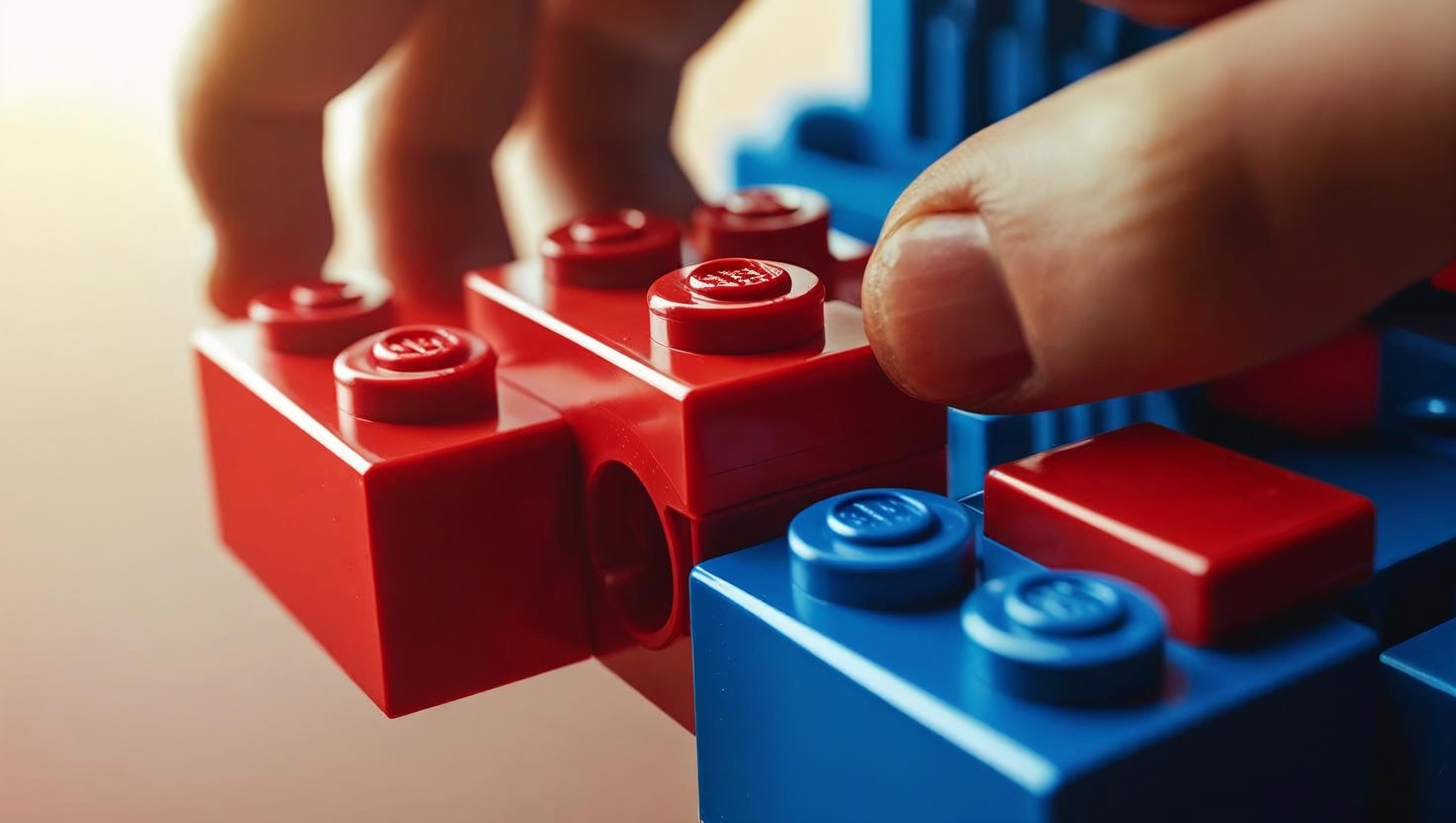
The Habit Stack solves this problem brilliantly. The core idea is to hijack the momentum of an existing, deeply-ingrained habit. You simply "stack" your new, desired behavior immediately on top of a current one.
The completion of the existing habit becomes the cue for the new habit.
The Neurological Mechanism: Piggybacking on a Cow Path
Your existing habits, brushing your teeth, making your morning coffee, taking off your work shoes, are deep, wide, well-worn cow paths in your brain. They run on autopilot and require zero willpower.
By linking your new habit directly to one of these, you are essentially building a small on-ramp from your existing superhighway onto your new, unpaved path. You are borrowing the established cue from the old habit to trigger the new one. This makes the new habit far more obvious and far less likely to be forgotten.
The No-Nonsense Protocol: The "After/Before" Formula
The formula is simple:
After [CURRENT HABIT], I will [NEW HABIT].
or
Before [CURRENT HABIT], I will [NEW HABIT].
Be specific. "I will be healthier" is not a habit. "I will do one push-up" is.
Examples of Powerful Stacks:
For Fitness: "After I brush my teeth in the morning, I will immediately change into my workout clothes." (The desired habit isn't the workout; it's the getting ready for the workout).
For Mindfulness: "After my morning coffee finishes brewing, I will sit down and meditate for one minute." (The sound of the coffee pot clicking off is your new meditation bell).
For Gratitude: "Before I eat my dinner, I will say one thing I'm grateful for that day." (The existing habit of eating dinner becomes the cue for the gratitude practice).
For Reading: "After I get into bed, I will read one page of a book." (This stacks the new habit before the established habit of going to sleep).
The Key to Success:
Start with a laughably small new habit. The goal is not to achieve the outcome on day one. The goal is to build the neurological link between the old habit and the new one. Once the "cow path" is established and the behavior is automatic, you can then increase the duration (from one minute of meditation to five, from one push-up to ten).
Stop trying to create new behaviors from scratch. Find the superhighways you already travel every day and build a simple, elegant on-ramp.